
Where vision meets engineering design
MIT CEE’s MEng program gave alumna Inés Ortea the tools to transform her ideas into real-world solutions with lasting impact
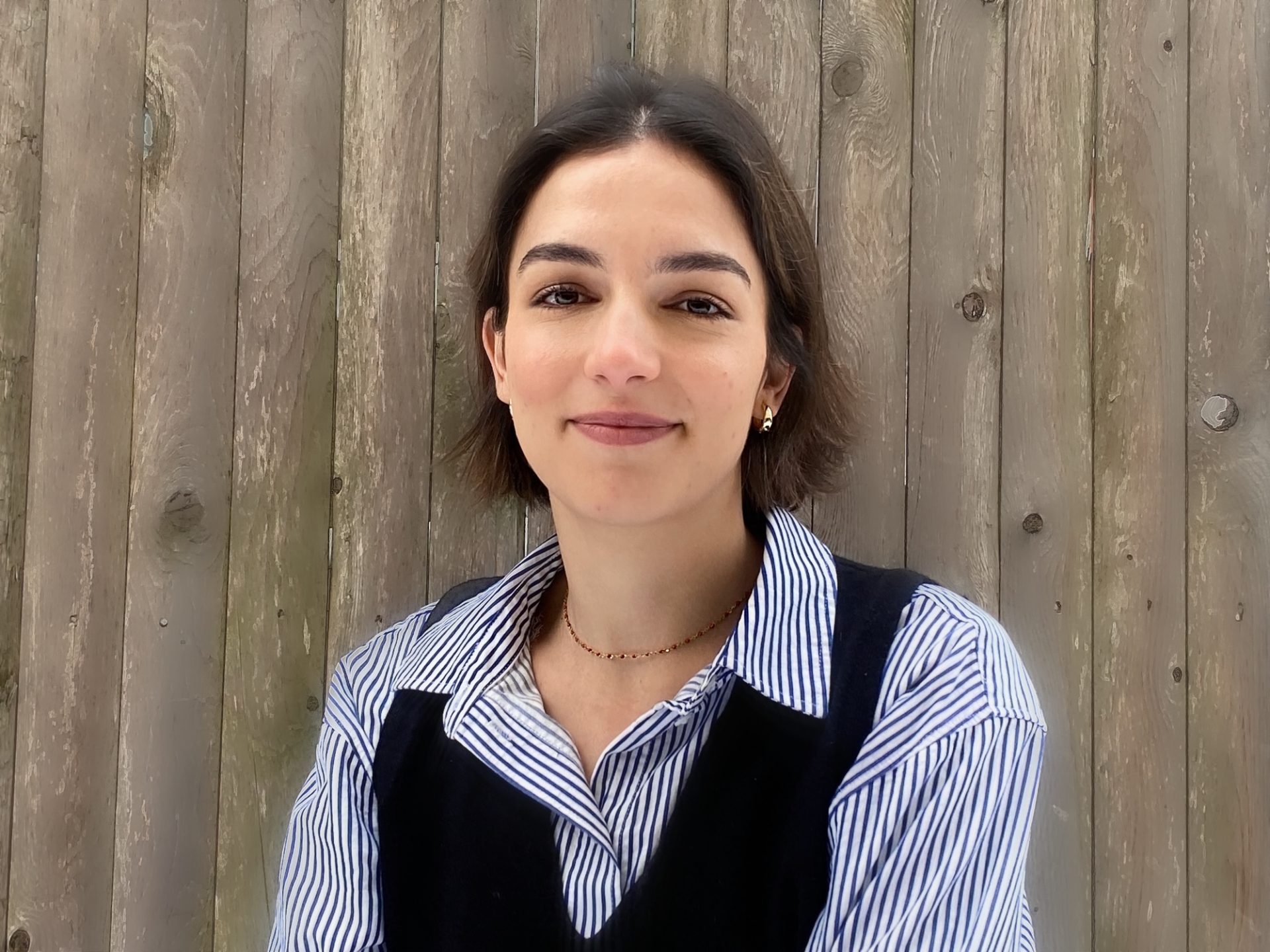
As a high school student with an interest in math, physics, and technical drawing, Inés Ortea imagined a future in architecture. After a year of studying architecture at Rensselaer Polytechnic Institute, Ortea decided to make the transition to civil engineering.
“After my first year as an architecture student, I realized my interest was really in civil engineering,” she recalls. “Regardless, architecture has continued to inspire me.”
To Ortea, the Master of Engineering program in MIT’s Department of Civil and Environmental Engineering was a unique opportunity to bridge her interests in civil engineering and architecture. Its flexible structure allowed her to return to industry quickly, where she is now applying her skills to support meaningful, real-world projects.
In the fast-paced, nine-month MEng Structural Mechanics and Design track, Ortea gained exposure to a wide range of practical engineering challenges. She found two project-based courses particularly valuable, as they combined team collaboration with industry-oriented projects led by professionals, providing a window into how engineering projects are approached and executed in practice.
“It was definitely an intense experience, but incredibly rewarding,” she says.
Now working as a Structural Designer at LeMessurier, an engineering consulting firm in Boston, MA, Ortea applies those lessons daily.
“Most of what I do day to day builds directly on what I learned in the program, especially through the industry-focused projects and courses,” she says. “That practical foundation made the transition into structural engineering feel really natural.”
Ortea secured her role at LeMessurier before graduating and emphasizes the importance of understanding industry hiring timelines. She encourages students to start early, research firms that align with their interests, and use faculty connections to navigate the process. “For companies that don’t start hiring early, I think January is a great time to focus on your thesis while also working on job applications or talking to professors and faculty if you need guidance,” she advises.
Looking ahead, Ortea plans to earn her Professional Engineer (PE) license and continue exploring how engineering can shape and improve communities. She’s especially excited about the industry’s momentum toward sustainability and technical innovation.
“The industry is moving quickly toward sustainability and the integration of technology, and I see that as an opportunity to be part of transformative change.”
Share on Bluesky