

Shifting storms, sweltering summers: Tehran faces future ‘Day Zero’ when the taps run dry
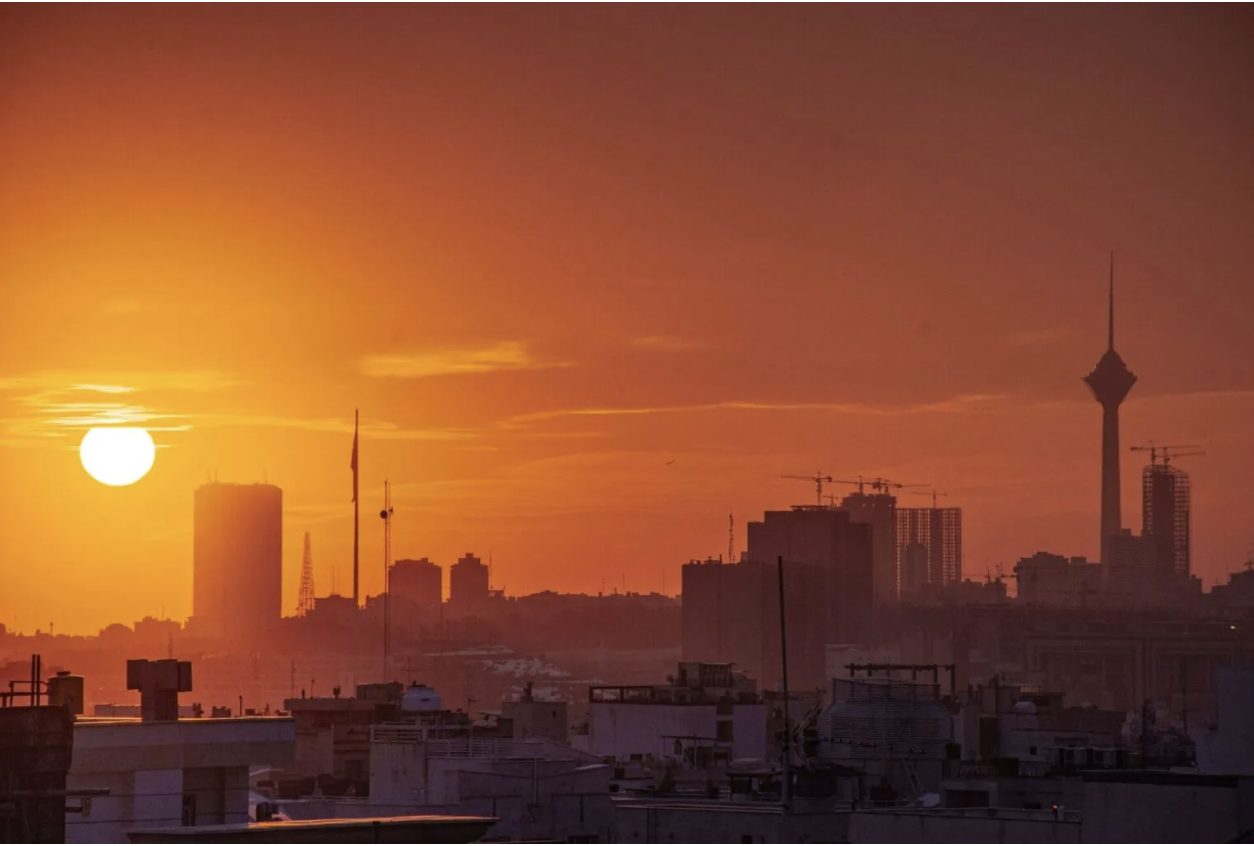
During the summer of 2025, Iran experienced an exceptional heatwave, with daytime temperatures across several regions, including Tehran, approaching 50 degrees Celsius (122 degrees Fahrenheit) and forcing the temporary closure of public offices and banks. During this period, major reservoirs supplying the Tehran region reached record-low levels, and water supply systems came under acute strain. By early November, the reservoir behind Amir Kabir Dam, a main source of drinking water for Tehran, had dropped to about 8 percent of its capacity. The present crisis reflects not only this summer’s extreme heat but also several consecutive years of reduced precipitation and ongoing drought conditions across Iran. As a result, the capital of Iran is now facing a potential “Day Zero” when taps could run dry.
The drought quickly disrupted Tehran’s urban systems. With dry soils and high evaporation, rivers and wetlands shrank. Falling reservoir levels led to disruptions in hydropower generation, and water shortages prompted strict saving measures across parts of the capital. Amid these escalating pressures, officials warned that the capital city may even have to be evacuated if water supplies fail to recover. In November, President Masoud Pezeshkian said the capital would have to be moved. These cascading impacts exposed how vulnerable Tehran’s infrastructure, economy, and communities have become under compounding heat and drought stress.
These cascading impacts stem from a prolonged shortage of precipitation in recent years (Figure 1a). Precipitation around Tehran typically peaks between December and April, replenishing reservoirs behind dams before the onset of the dry summer. Over the past five years, precipitation during this wet period has remained consistently below the long-term climatological baseline, with the 2024/25 season showing the most pronounced and prolonged deficit across the entire rainy season. When such prolonged dryness was followed by an exceptionally hot summer, it amplified hydrological stress across the region.
Continue reading on The Bulletin of the Atomic Scientists
Share on Bluesky