
MIT Civil and Environmental Engineering student awarded NSF Graduate Research Fellowship
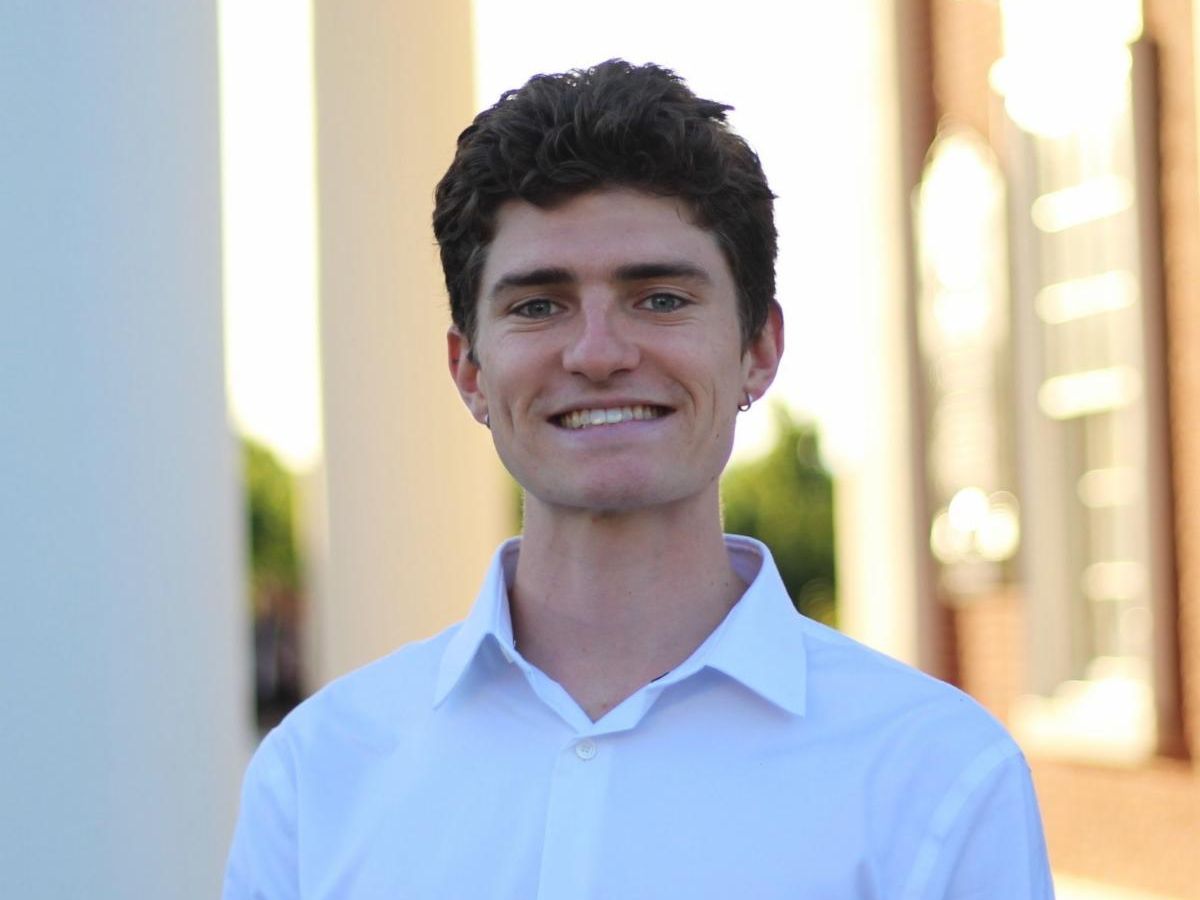
Quinn Early, a first-year graduate student in the Department of Civil and Environmental Engineering, was named a fellow of the prestigious 2026 National Science Foundation Graduate Research Fellowship Program.
Originally from Falls Church, Virginia, Early received his Bachelor of Science in Mechanical Engineering at the University of Virginia.
Working under the guidance of Michael Howland, Jeffrey Cheah Career Development Professor, Early’s research uses high performance computing to study atmospheric turbulence. Accurately predicting turbulence in the atmosphere is crucial to modern energy security challenges such as extreme events, power system reliability, and the emerging impacts of new and novel energy infrastructure. His research aims to develop predictive models for large-scale energy systems that remain accurate in realistic turbulent and stratified atmospheric environments.
“We are thrilled to see Quinn recognized with an NSF Graduate Research Fellowship,” says Ali Jadbabaie, JR East Professor and Department Head of Civil and Environmental Engineering. “His work reflects the kind of interdisciplinary approach needed to advance sustainable energy systems and better understand their interactions with the natural environment.”
The NSF Graduate Research Fellowship Program (GRFP) provides up to three years of support for each awardee’s graduate education, including a $37,000 annual stipend, a cost-of-education allowance of $16,000 to the institution, as well as opportunities for professional development.
The purpose of the NSF GRFP is to help ensure the quality, vitality, and diversity of the scientific and engineering workforce of the United States. The program recognizes and supports outstanding graduate students who are pursuing full-time research-based master’s and doctoral degrees in science, technology, engineering, and mathematics.
Share on Bluesky