
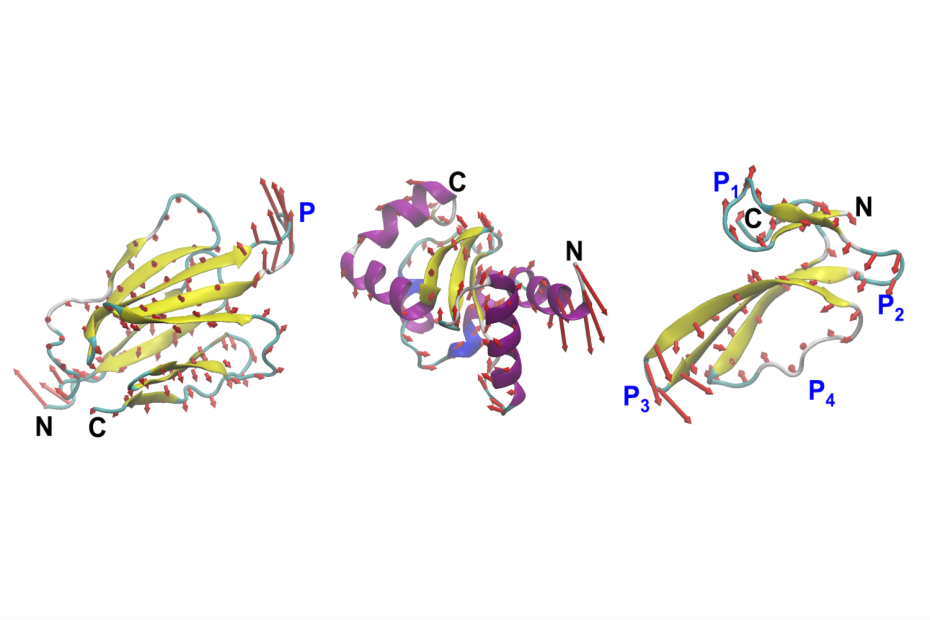
An AI model generates novel proteins based on how they vibrate and move, opening new possibilities for dynamic biomaterials and adaptive therapeutics. […]

An AI model generates novel proteins based on how they vibrate and move, opening new possibilities for dynamic biomaterials and adaptive therapeutics. […]
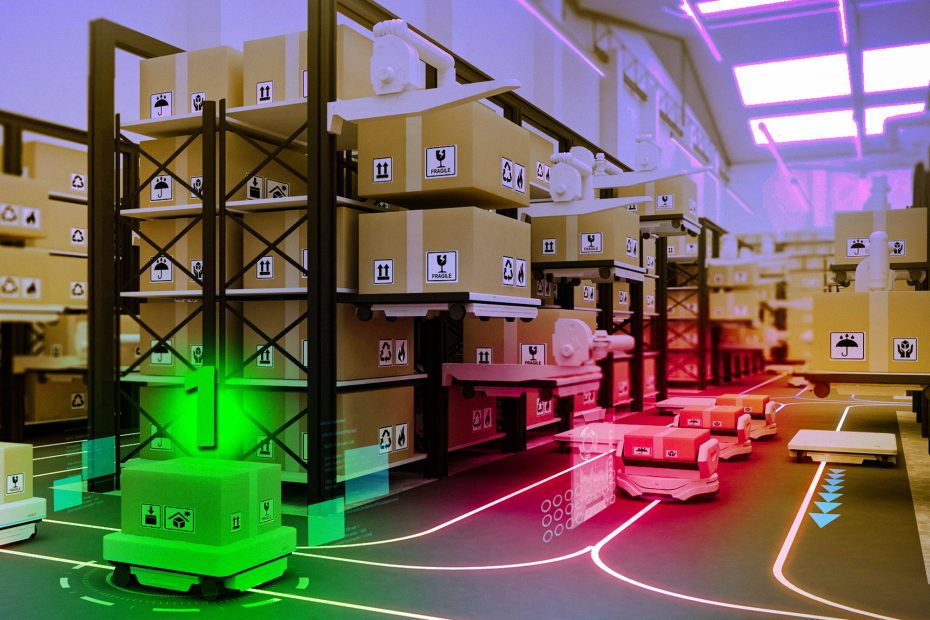
This new approach adapts to decide which robots should get the right of way at every moment, avoiding congestion and increasing throughput. […]

MIT researchers uncovered the roles of bacterial species from the environment as they consume biodegradable plastic. […]
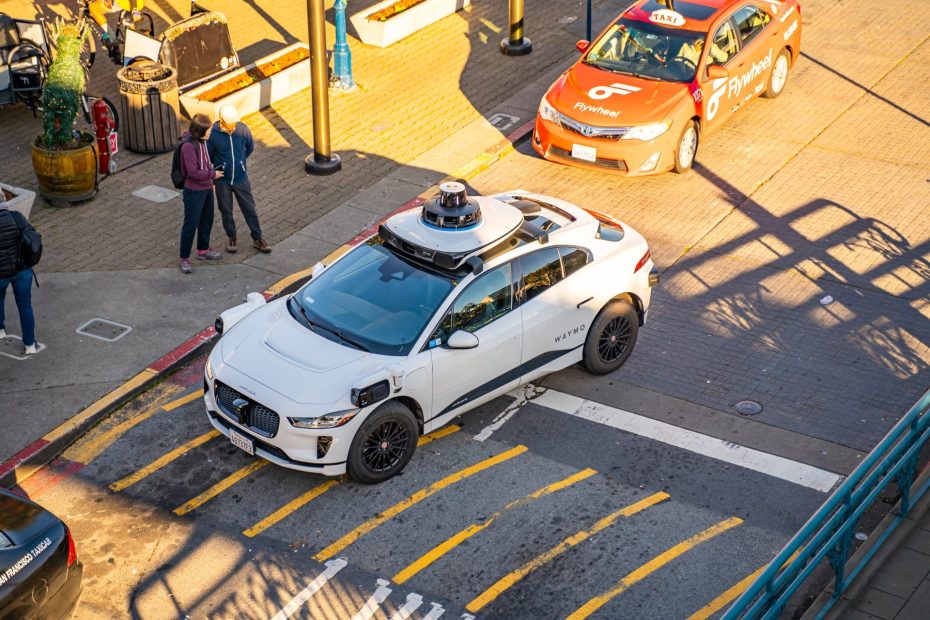
A new study finds autonomous mobility-on-demand research must become more transparent and reproducible to guide real-world transportation decisions As cities and companies move towards fleets of self-driving taxis, a group of researchers is urging the field […]
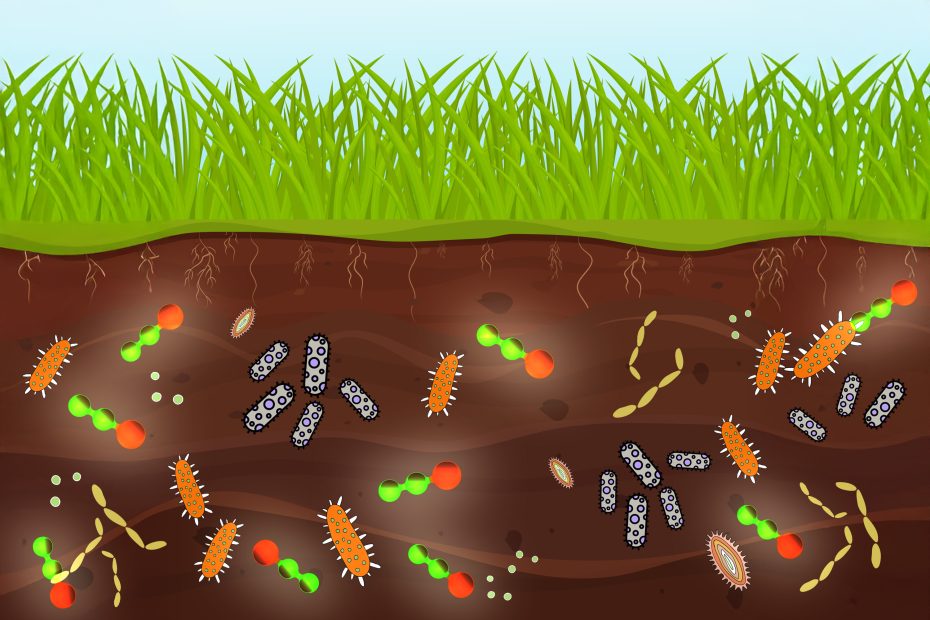
While some N2O is produced naturally at the plant root, agricultural practices can increase its levels, to the detriment of some microbes that support plant growth. […]
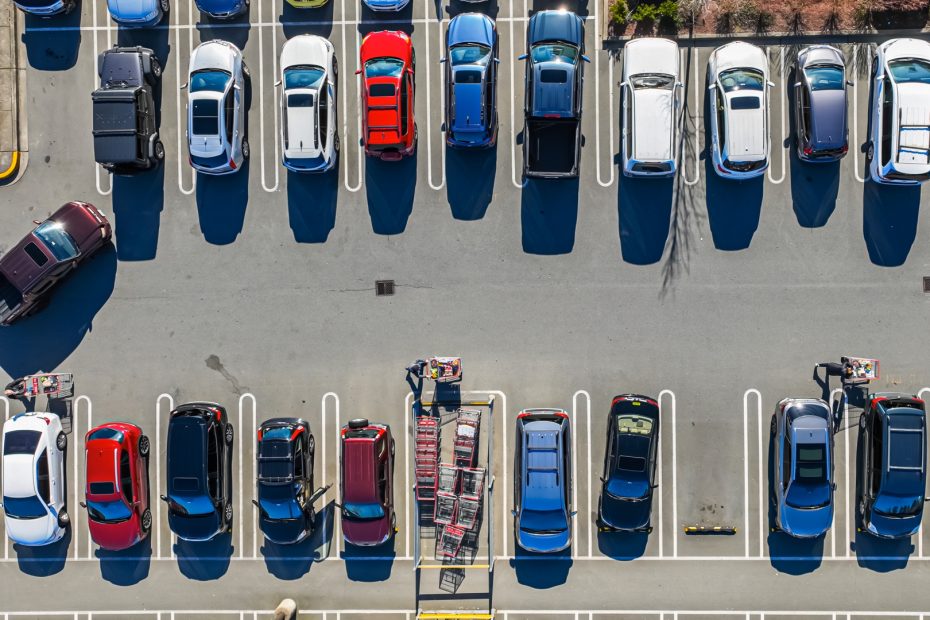
By minimizing the need to drive around looking for a parking spot, this technique can save drivers up to 35 minutes — and give them a realistic estimate of total travel time. […]
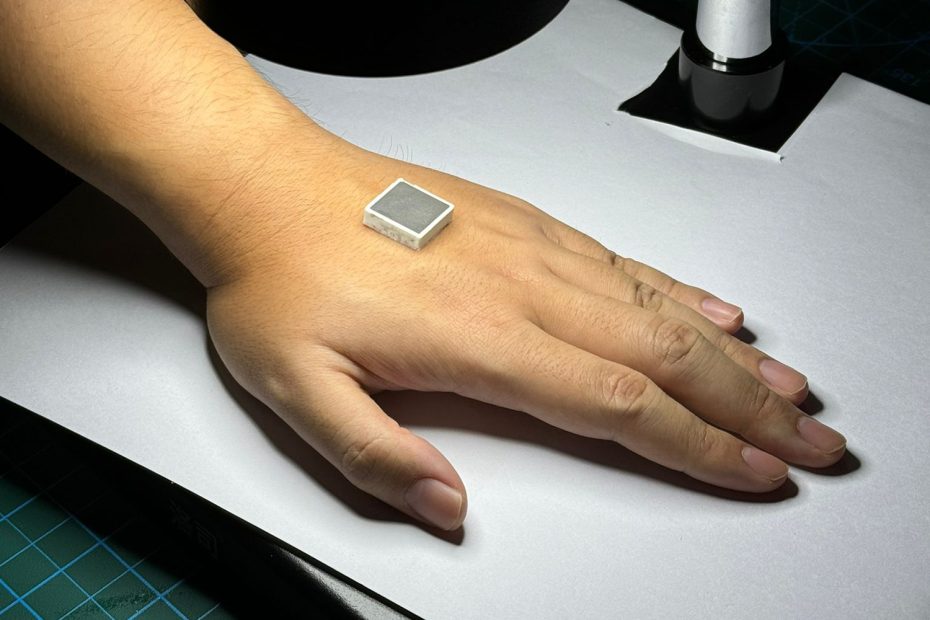
WITEC is working to develop the first wearable ultrasound imaging system to monitor chronic conditions in real-time, with the goal of enabling earlier detection and timely intervention. […]
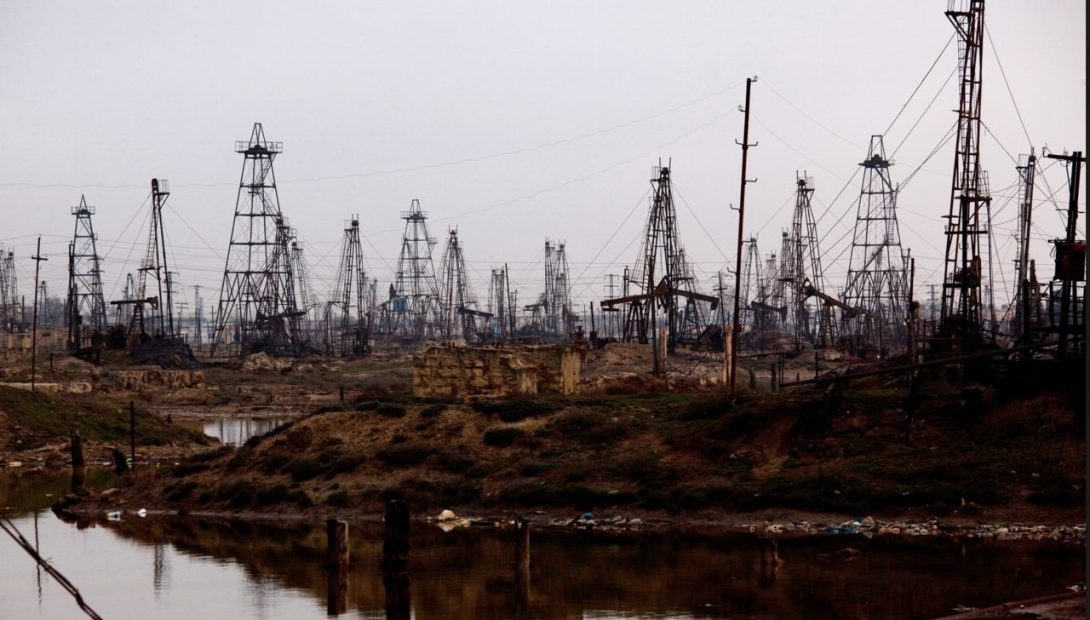
A study published in Environmental Science & Policy by Professor Charles Harvey and climate scientist, Lindsey Gulden reviews federal lobbying disclosures from 2005 to 2024 to understand why carbon capture, use and storage (CCUS) technologies are […]

New analysis provides the first national, bottom-up estimate of cement’s natural carbon dioxide uptake across buildings and infrastructure. […]

MIT researchers analyzed a recently discovered ancient construction site to shed new light on a material that has endured for thousands of years. […]

MIT CSAIL and LIDS researchers developed a mathematically grounded system that lets soft robots deform, adapt, and interact with people and objects, without violating safety limits. […]
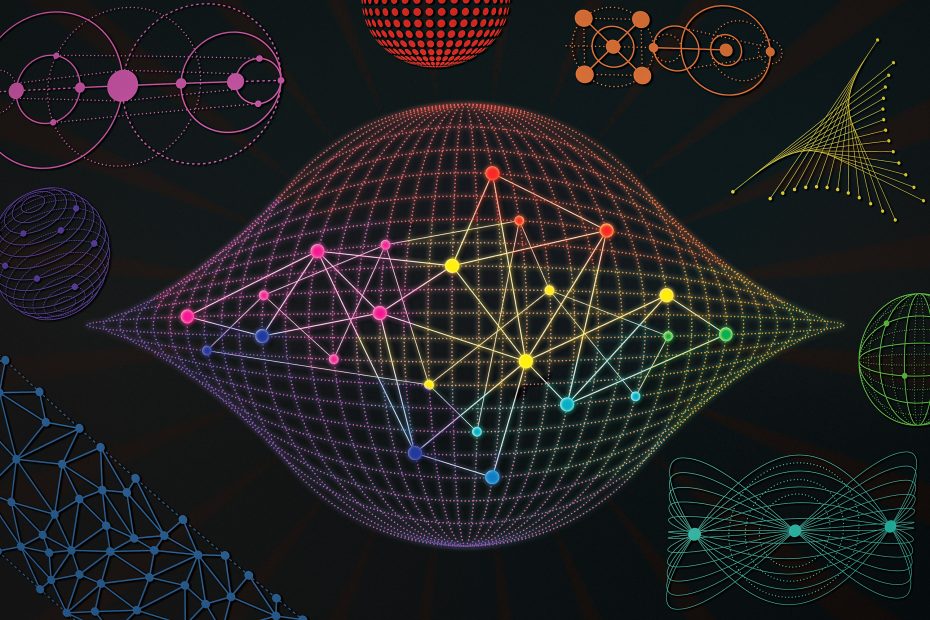
MIT researchers developed a way to identify the smallest dataset that guarantees optimal solutions to complex problems. […]
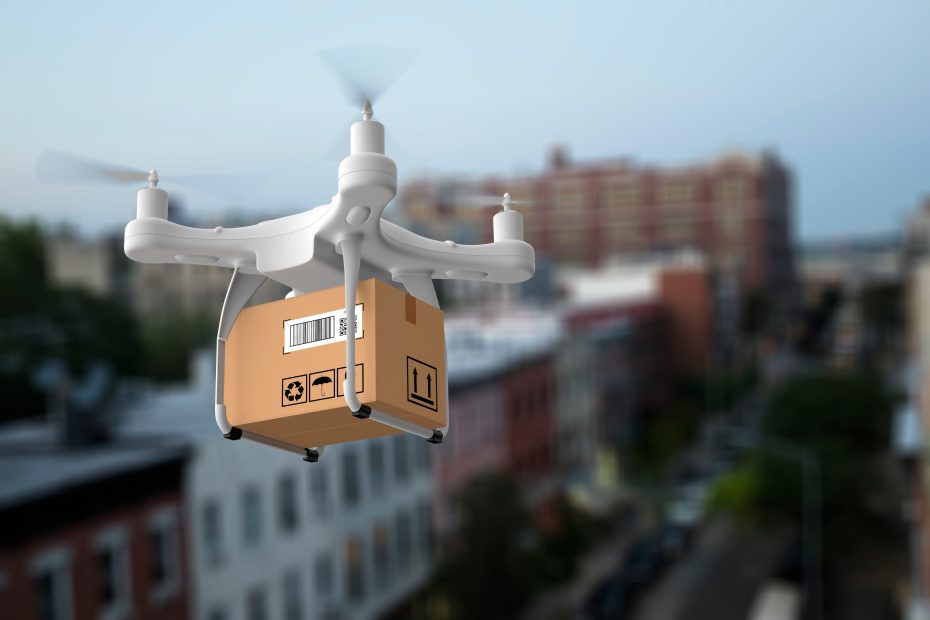
The approach could enable autonomous vehicles, commercial aircraft, or transportation networks that are more reliable in the face of real-world unpredictability. […]
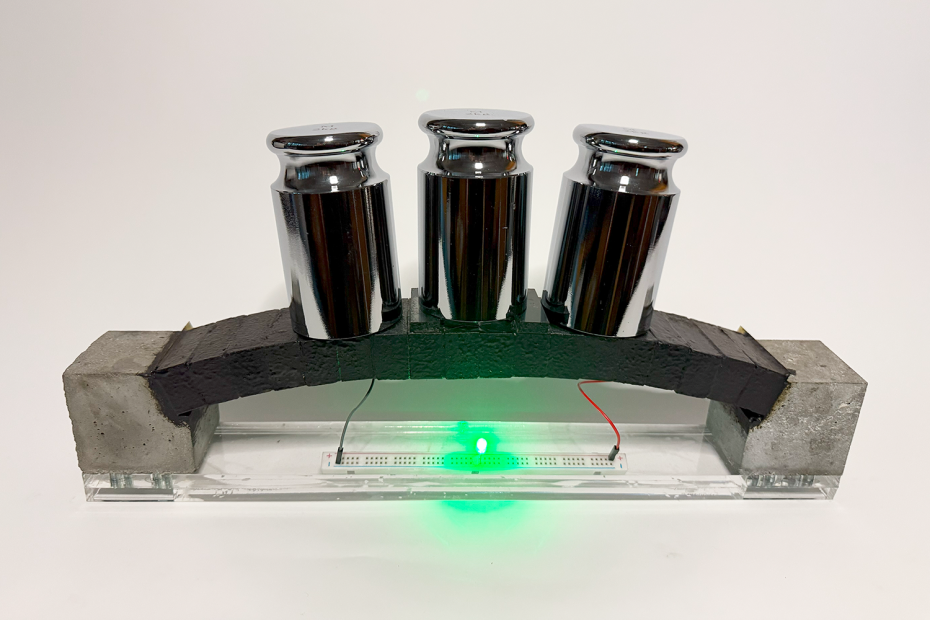
Improved carbon-cement supercapacitors could turn the concrete around us into massive energy storage systems. […]

New research enables computer designs to incorporate the limitations of 3D printers, to better control materials’ performance in aerospace, medical, and other applications. […]